Blog /
NawaKenshin Interview (2025)
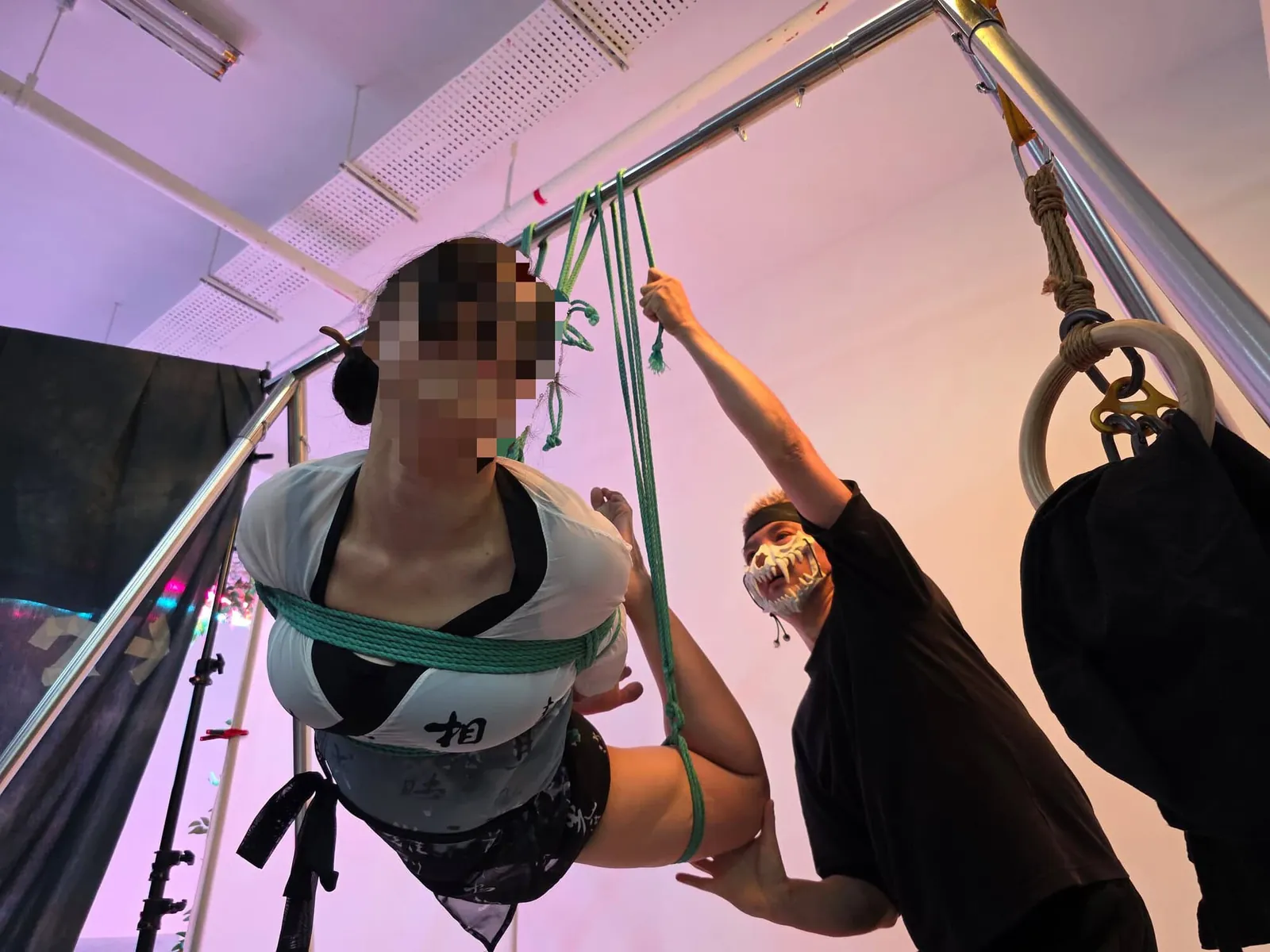
Daki (SPH): Hello, NawaKenshin! For those of us who weren’t lucky enough to meet you during your last visit, can you share a bit about yourself? When did you get started and who do you consider your top influences?
Sean: Hi I am Sean, aka NawaKenshin.
Silly snippet, I started off with the name StrugglingGuy, but decided not because of the negative connotation after awhile.
I actually started shibari in 2010 when I was kind of bored of the normal photoshoots and wanted something more exciting and non-mainstream. But that was pretty short lived as there wasn’t any information on shibari easily available at that time, plus work creeped up and I eventually dropped the whole thing altogether till 2019 when I finally dropped some work commitment. And thought, why not re-start some ‘old’ hobbies again and started tying again.
But it was really in the Covid lockdown that it changed as most of the popular Japanese masters came online to give classes and that is where I started to do ties more seriously. Not to mention the availability of a HUGE library when Ropeflix was still live. Too bad that was also shortlived.
My early influence was Kinoko and Garthknight. Their ties were so intricate and beautiful! But the LUST in me wanted a lot more. And eventually explored Yagami Ryu, whom I followed almost religiously. But as I explored more, I find myself drawn to want to understand what is the (fundamental) differences in the different (popular) styles and hence went on to learn Naka (through Kasumi and Chiaki), Yagami, Yukimura ryu (through Osada Steve), Kanna and studied extensively on Nureki Chimuo’s works.
Nowadays, I find myself gravitating towards connective ties with some sadism in there. So the influences do show through.
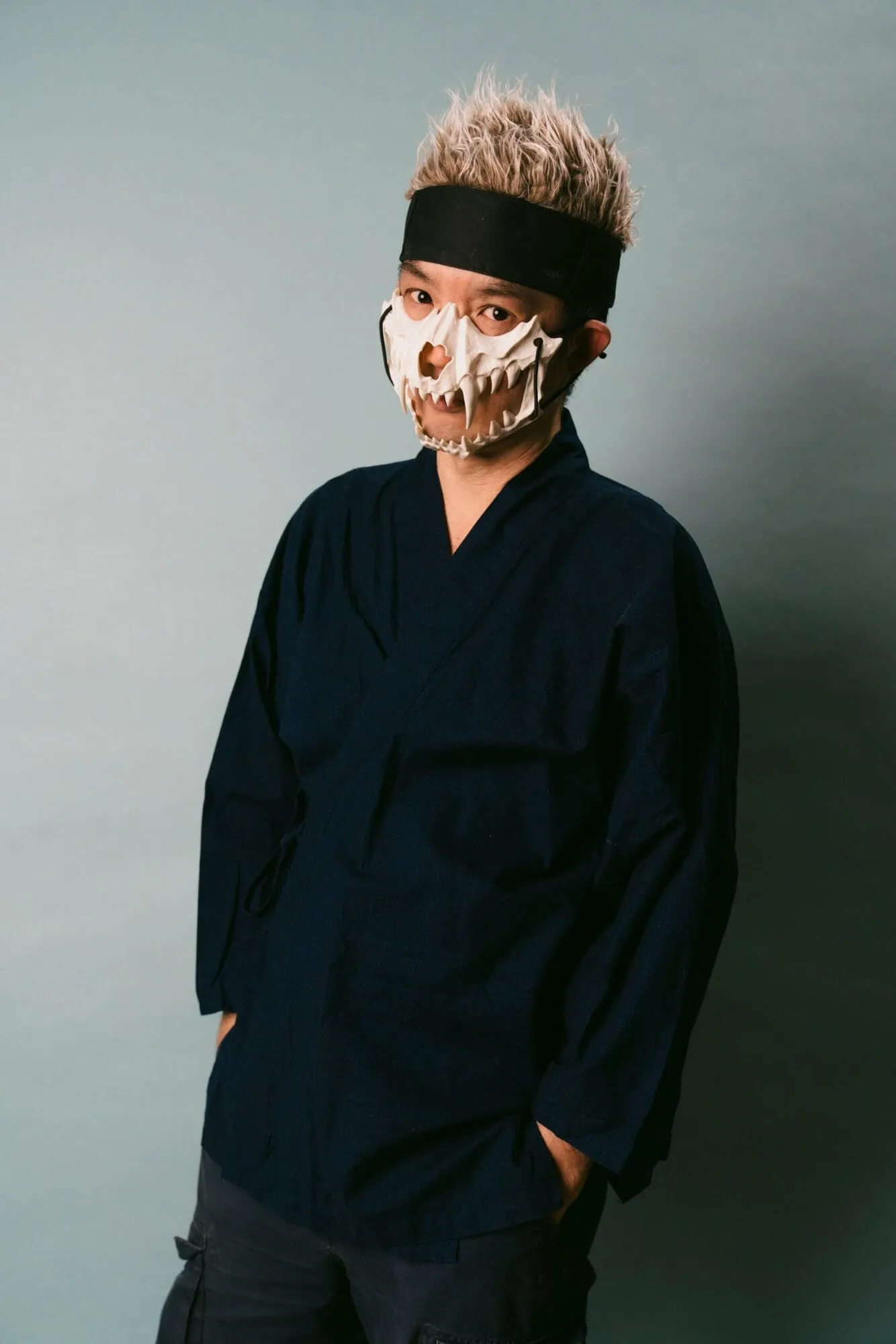
SPH: It’s so great that you’ve gotten exposure to so many great styles! How has your rope journey been so far? Any memorable landmarks along the way?
Sean: It was ‘tough’. I was name called when I started. A few ‘little birds’ told me that people called me a risky rigger, a lousy crappy rigger, a rigger to stay away from. Well, that was literally me entering the shibari circle and scene 3 months in, mainly due to some affiliations I had with people in the scene.
So I got fed up, left the local scene completely and do things my own way. Sourcing for my own models outside the scene means that I have to portray the artform in a more palatable way and sometimes as is. You know, literally selling myself as a (perverted) rigger to vanillas. So I kinda literally spam DMs on potential bottoms on IG and then asking for references. And luckily for me, I managed to have quite a following from the ‘outside’ world and hence it was actually a blessing in disguise.
The biggest turning point would be me having my first official lesson with Osada in March 2023. Spent the whole week with him. Learning alot Osada Ryu and how one have to keep an open mind when learning any styles. Seeing Osada still learning at his age and level really humbles me a lot.
And then 2024 was a ‘weird’ year as I went on to explore many days on all the styles that I was interested in with various notable masters.
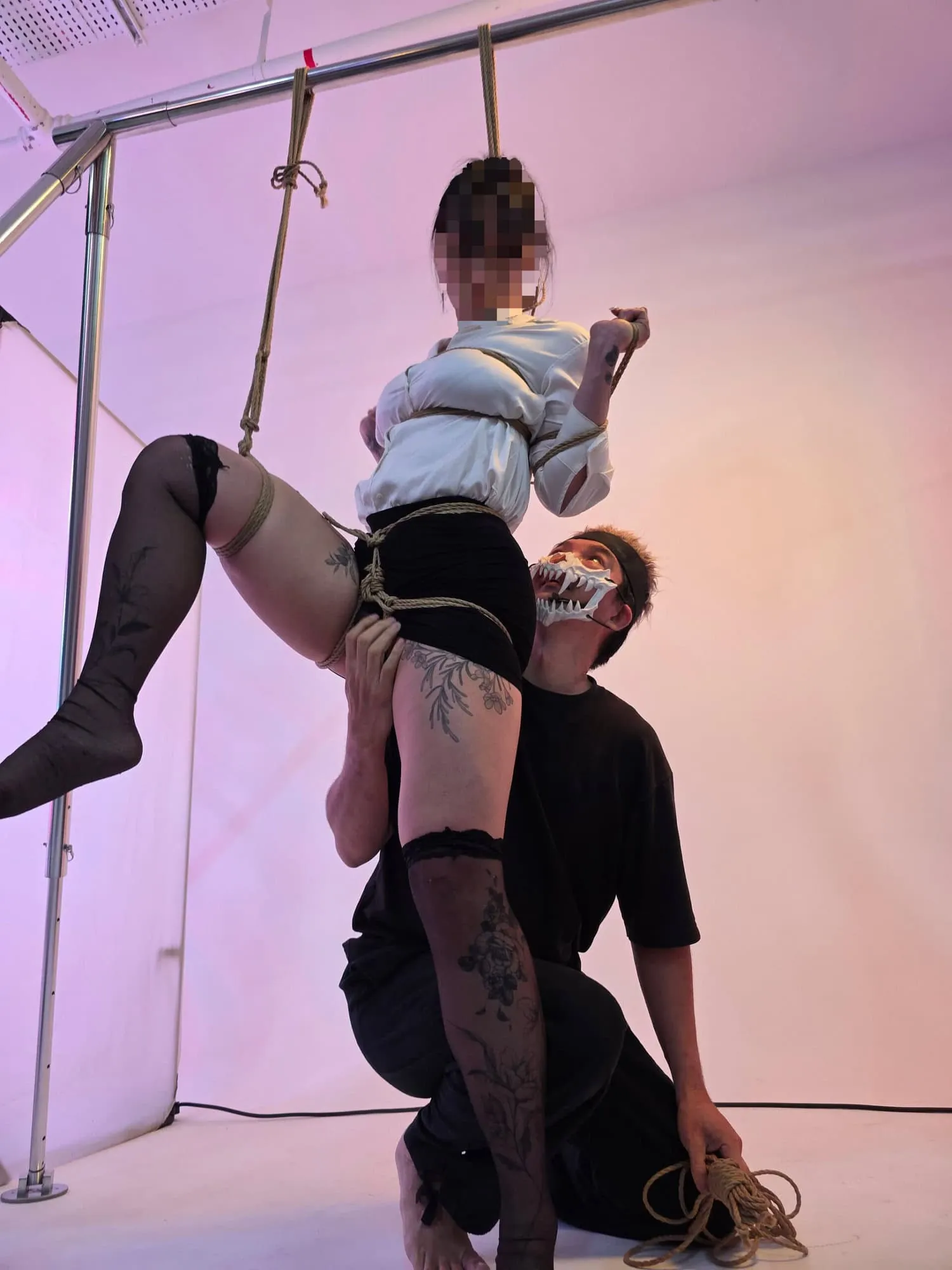
SPH: Congratulations on finding your path and thriving in it! You’d mentioned the work you were putting into your personal style called Nawakokoro. How would you describe the way you tie and teach? Is there a specific thing you’d like your students to pick up from it?
Sean: I think what best to describe my style now is “Tie to excite, to connect, to evoke a dialogue in ropes”.
And what I wish my students to take away? Just enjoy, there is always more than 1 way to do the same thing. Find one that fits you best, and then find one that your partner loves best. Because you cannot have more fun when you try something you are not comfortable with, not because of skill, but because it seems trendy or nice. There is no one body type, and even within the same body type, there are so many variables.
So be flexible and just have fun. Don’t be too serious.
SPH: With your travels, you probably got exposed to a lot of different cultures and their takes on shibari. What stood out for you as similar or different around the world?
Filipinos really know how to take things slow, food comes first! Singaporeans are just to the task at jams. Japanese have a myriad way of doing things, but I had the most interesting experiences in smaller rope bars. Chat and watch people get tied.
SPH: Haha, we certainly did a lot of eating during your visit. xD
Do you end up debunking a lot of myths as you get around? What are the most common misconceptions that you hear about?
Sean: Tons! for one, it involves a lot of pain, a lot of sex.
I mean the sex part is enjoyable right? But the pain.. the power play.. I always tell people, 1. Pain must be intentional and there is good and bad pain. Just like going for a massage, it is pain but it is damn enjoyable. Versus you getting burned, bad pain.
And then the power play.. It is all about respect, working within boundaries and understand what turns the other party on.. We have enough of crappy power play at workplaces and please don’t bring that in to a scene that is supposed to be fun, sensual and intimate.
SPH: We had to deal with some of that on our end too unfortunately. Thank you for addressing them.
Would you say that shibari has had an impact on your personal life? What are some examples?
Sean: I get tuned in very easily now! Especially when you are practicing so much connective ties that requires you to know how to read the other party, in so many levels, you can get oversensitive outside of shibari. Not exactly a good thing sometimes… your mind can’t tune down!
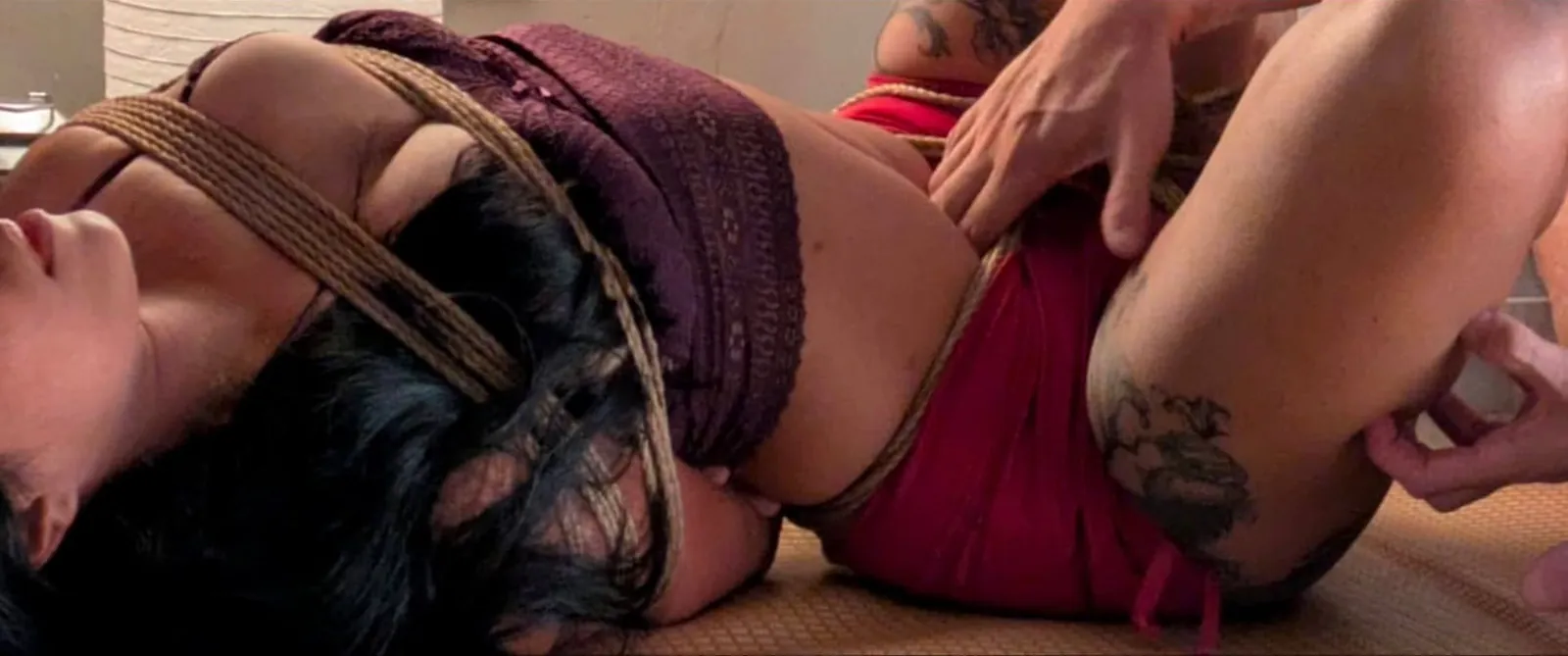
SPH: We have a lot of members who are super new to not just rope but kink in general. Got any advice for those about to get their feet wet?
Sean: Just tie. And tie a lot on that.
When starting out, you are new to rope, new to the feeling and new to the handling. So just get used to it first. Do not bother too much on sequences. Focus more on the partner, you will naturally know what you need to improve over time IF you want to make it an enjoyable process. What you need to do when starting out is to have dexterity in the fingers, to be able to control the ropes easily with the fingers and then work on the tension.
If these 2 are not done well, you will not be able to proceed at a higher level easily, and then the passion will die off eventually.
SPH: Solid points! Speaking of advice, you’re actually visiting soon to teach us again! Can you give us an idea of the vibe that folks can expect from the workshops you’ll be facilitating?
Sean: Lot’s of hands on, and a lot of fun and laughter. I love to make the sessions enjoyable and well paced for the majority. I also like to have a male and female model for my class to showcase the subtle differences for a particular tie or concept, so that those who tie males will also appreciate and adapt accordingly.
All in all, a very easy going environment during my group classes.
SPH: Haha, that’s exactly how your last visit went! Who do you think is a great match for the type of tying you do and your teaching style? Are there folks who probably won’t be compatible with it?
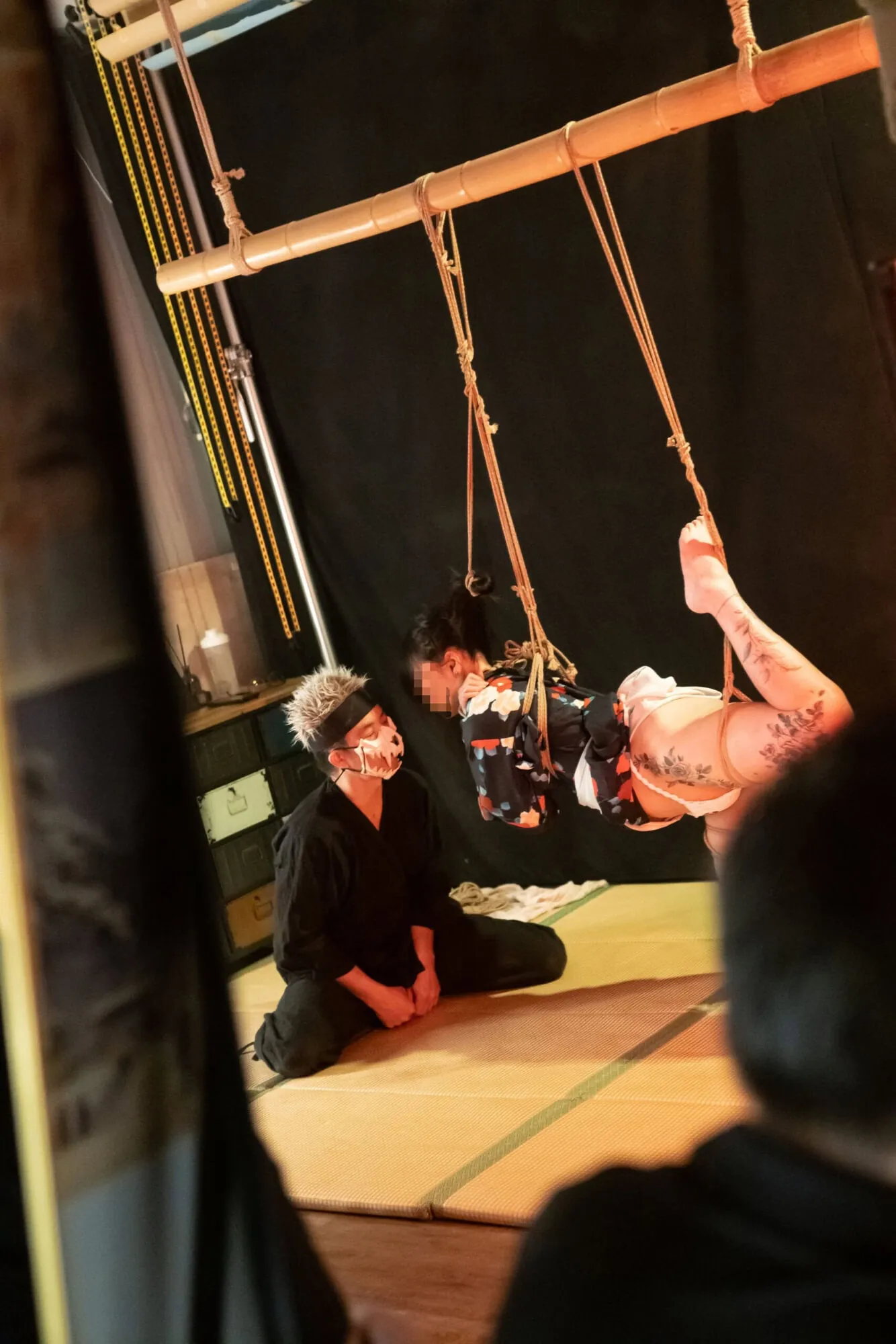
Sean: I always liken Shibari styles to dance styles. You have ballet, popping, b.boy, contact improv, etc. All of them are dances but I doubt anyone will appreciate another dance style as much if they prefer or trained from another dance style. People who love fast ties and big dynamic transitions without much focus on emotions, probably would not be a good match. I love to take things slow, to enjoy the moment. Much like bringing my partner for a nice slow date.
SPH: Thanks for clarifying! Other than the workshops you’ll be hosting, are there any projects you’re cooking up that you wanna encourage people to check out?
Sean: I am busy trying to create more content for my YouTube… you know doing ‘palatable’ shibari in terms of decorative patterns and all. Though I am not exactly very strong in that area, but it allows my mind to expand on possibilities that may arise from it.
But locally, I am beginning to give a lot more talks on Shibari to the masses. Which I find very fulfilling as you can see how it could help couples add more vocabulary to their plays.
SPH: Sweet! Our friends are buzzing with excitement for your arrival! Do you wanna share anything else with or about our Philippine community—maybe advice or well wishes?
Sean: There is SO MUCH POTENTIAL for growth here! It is such a big country and certainly the population sample size for shibari keen people could be a lot bigger! And the people are so chill.. can really grow with a lot of more sharing. Hold more courses, more jams and probably invite your own members to do performances, to build confidence and recognition. Some people need those to grow.
Thank you heaps for accepting our interview, Sean! We’re so excited for your visit and can’t wait to learn with you again!
If you want to follow Sean/NawaKenshin online, you can head over to:
- YouTube: www.youtube.com/@nawakenshin
- His website: www.nawakenshin.com